
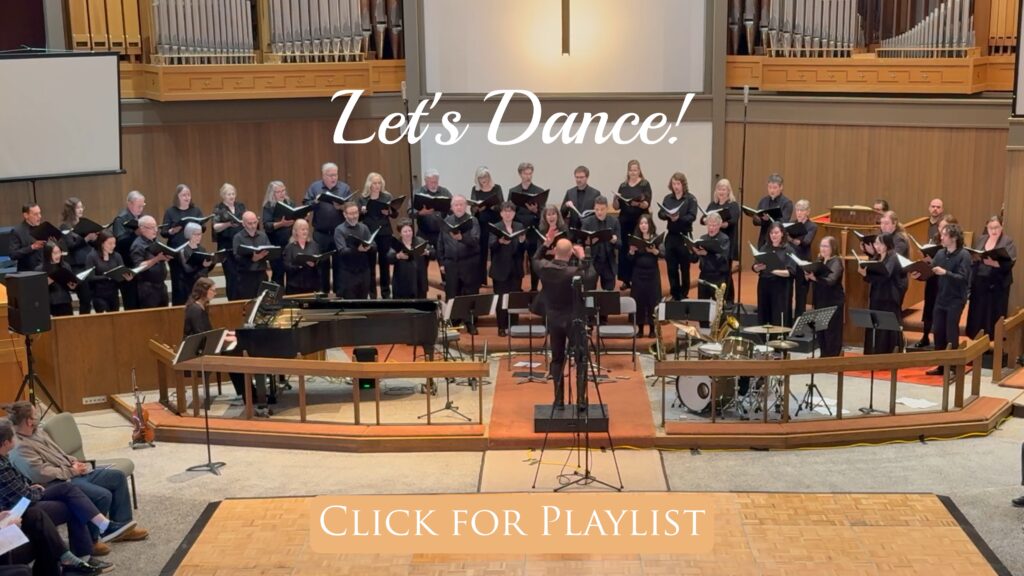
Recording May 30 & 31, 2026
Program Notes:
(Greyed-out pieces do not currently appear in our playlist. We will work to add them if licensing permission is granted.)
Cha-cha-chá: Sway ………………..Pablo Beltrán Ruiz (1915-2008), arr. Kirby Shaw
Julie Cauthorn and Dean Paton, dancers
Pablo Beltrán Ruiz was a Mexican composer and bandleader most famous for composing “¿Quién será?” The English version known as “Sway,” with lyrics by Norman Gimbel (1927–2018), was an international hit by Dean Martin in 1954 and Bobby Rydell in 1960.
When marimba rhythms start to play,
Dance with me, make me sway.
Like a lazy ocean hugs the shore,
Hold me close, sway me more.

Like a flower bending in the breeze,
Bend with me, sway with ease.
When we dance you have a way with me,
Stay with me, sway with me.

Other dancers may be on the floor,
Dear, but my eyes will see only you.
Only you have that magic technique,
When we sway I go weak.
I can hear the sounds of violins,
Long before it begins.
Make me thrill as only you know how,
Sway me smooth, sway me now.

Sway me,
    squeeze me,
          kiss me,
     thrill me,
Bend me,
     please me,
          you have a way
                with me.
Samba: Begin the Beguine ……………………..Cole Porter (1891-1964), arr. Greg Jasperse
Raúl Bucio and Emily Suevsky, dancers; Kris Bryan, vocal improv
Cole Porter was an American lyricist and composer of popular songs, Hollywood movies, and Broadway musicals. “Begin the Beguine” debuted in the Broadway musical Jubilee in 1935 featuring June Knight and was further popularized when Artie Shaw recorded the song in 1938.
When they begin the beguine,
It brings back the sound of music so tender.
It brings back a night of tropical splendor,
It brings back a memory evergreen.

I’m with you once more under the stars,
And down by the shore
      an orchestra’s playing,
And even the palms seem to be swaying
When they begin the beguine.

To live it again is past all endeavor,
Except when that tune clutches my heart.
And there we are swearing to love forever,
And promising never, never to part.

What moments divine, what rapture serene, ’Til clouds came along to disperse
      the joys we had tasted,
And now when I hear people curse
      the chance that was wasted,
I know but too well what they mean.
So don’t let them begin the beguine,
Let the love that was once a fire
      remain an ember.
Let it sleep like a dead desire
      I only remember
When they begin the beguine.

Oh yes, let them begin the beguine,
      make them play
’Til the stars that were there before
      return above you;
’Til you whisper to me once more,
      ”Darling, I love you,”
And we suddenly know what heaven we’re in
When they begin the beguine.
Galliard: Tanzen und Springen ……………………… Hans Leo Hassler (1564-1612)
Hans Leo Hassler was a German composer and organist of the late Renaissance. He studied in Venice with Andrea Gabrieli, and “Tanzen und Springen”, first published in his 1601 collection Lustgarten neuer teutscher Gesäng (“Pleasure Garden of New German Songs”), is a five-voice balletto in the Italian “fa-la-la” style that Hassler brought back to Germany. Like all balletti of the period, it is built on the rhythms of social dance; light, springing, and metrically clear enough to dance to.
Tanzen und springen,
Singen und klingen,
Lauten und Geigen
Soll’n auch nicht schweigen,
Zu musizieren
Und jubilieren steht mir all mein Sinn.

Schöne Jungfrauen
In grüner Auen,
Mit ihn’n spazieren
Und converzieren,
Freundlich zu scherzen,
Freut mich im Herzen für Silber und Gold.
Dance and leap,
sing and play!
Lutes and fiddles
should not be mute:
to make music
and have fun is what I live for.

Cute girls
in green meadows—
to walk with them,
talk with them,
be friends with them,
makes me happy, more than silver or gold.
Csárdás: Brauner Bursche führt zum Tanze ………………Johannes Brahms (1833-1897)
(from Zigeunerlieder, Op. 103) Imran Goychayev, assistant conductor
Brahms composed his Zigeunerlieder, Op. 103, in 1887-88 after receiving a set of twenty-five translated Hungarian folk songs from his friend Hugo Conrat. Brahms did not use any of the original melodies, and most of his songs show only marginal Hungarian influence. However, “Brauner Bursche führt zum Tanze” (“A swarthy lad leads to the dance”) is the cycle’s most overtly dance-like number and is infused with the spirit of the csárdás, Hungary’s national folk dance.
Brauner Bursche führt zum Tanze
Sein blauäugig schönes Kind;
Schlägt die Sporen keck zusammen,
Csardasmelodie beginnt.

Küßt und herzt sein süßes Täubchen,
Dreht sie, führt sie, jauchzt und springt;
Wirft drei blanke Silbergulden
Auf das Zimbal, daß es klingt!
Brown the lad, blue-eyed the lassie -
Led by him to dance is she.
Clashing spurs he strikes together:
Start the Czardas melody!

Kisses fondly his sweet dove, and
spins her, whirls her, shouts and springs!
Throws three shining silver gulden
On the cymbal so it rings!
Hora: Zum Gali ……………… arr. Maurice Goldman (1910-1984)
Maurice Goldman was a conductor, composer, and arranger who focused on Yiddish and Hebrew folk music. “Zum Gali” is an arrangement of an Israeli folk tune associated with the traditional hora, a circle dance often performed at weddings, bar and bat mitzvahs, and other family gatherings. The unison singing partway through the piece evokes the sound of a family joyously dancing and singing together.
Zum gali gali, dance the hora, dance!
Do the hora, it’s a delight!
Oh, dance with all your might!
Let’s dance!

Night’s descending, day is ending,
sounds of laughter everywhere,
Dancing, singing, voices ringing,
songs of joy now fill the air.

Crash the cymbal, circle round,
beat the drum, let joy abound,
Sing out with voices loud and clear.
Everyone with spirits gay,
whirl and twirl the hours away,
Dance on, let sadness disappear.

Hora  la la la, merriment is flowing,
hora, hora, dance!
Dance the hora, gladness everywhere,
The hora, the hora, all together, do the hora! Hora, hora, dance!
Wildly dance the hora, dance!
Irish Dance: Irish Country Dance ……………… Kirby Shaw (b. 1941)
Lianne Lahaie, dancer
“Irish Country Dance” is an original piece by arranger and composer Kirby Shaw. The choreography borrows heavy rhythm aspects from both traditional and modern Irish dance. Marrying modern competition rhythms with traditional styling, the movement is meant to match the rhythms and “dance” with the choral music.
Waltz: Waltz No. 2……………… Dmitri Shostakovich (1906 – 1975)
Cori Belle, piano; Alina To, violin; Raúl Bucio and Emily Suevsky, dancers
Shostakovich was a Soviet-era Russian composer and pianist. Though celebrated in his early career, he came under close scrutiny and even censure by the Soviet government. “Waltz No. 2” is from his Suite for Variety Orchestra (sometimes published as “Jazz Suite No. 2”) and has appeared in many films, stage productions, and television shows, most famously in Stanley Kubrick’s Eyes Wide Shut (1999). The melody is elegant and graceful, but the return of the opening minor key gives the piece its bittersweet edge.
Conga line: Conga Rhythm! ………………Gloria Estefan and Enrique Garcia, arr. Kirby Shaw
Kirby Shaw’s arrangement combines two songs by Miami Sound Machine: “Conga” (1985), written by the band’s drummer Enrique García, and “Rhythm Is Gonna Get You” (1987), co-written by García and Gloria Estefan. Estefan is a five-time Grammy Award winner and a recipient of the Presidential Medal of Freedom and has sold over 100 million records worldwide.
“Rhythm is Gonna Get You”
At night when you turn off all the lights,
There’s no place that you can hide;
Oh, no, the rhythm is gonna get you.
In bed, throw the covers on your head;
You pretend that you were dead,
But I know it, the rhythm is gonna get you.
Rhythm is gonna get you tonight.
“Conga”
Come on shake your body, baby, do the conga.
I know you can’t control yourself any longer.
Feel the rhythm of the music getting stronger.
Don’t you fight it ‘til you tried it,
do that conga beat.

Everybody gather round now,
let your body feel the heat.
Don’t you worry if you can’t dance;
let the music move your feet.

It’s the rhythm of the island,
and like sugarcane so sweet.
If you want to do the conga,
you’ve got to listen to the beat.
Feel the fire of desire
as you dance the night away.
‘Cause tonight we’re gonna party,
‘til we see the break of day.

Better get yourself together
and hold on to what you’ve got.
Once the music hits your system
there’s no way you’re gonna stop.
Jive: Dance with Me Tonight ……………….Olly Murs (b. 1984), arr. Roger Emerson
Raúl Bucio and Emily Suevsky, dancers
A bouncy, retro pop-swing throwback by British singer Olly Murs, “Dance with Me Tonight” was the No. 1 UK lead single from his 2011 album In Case You Didn’t Know. With its handclap rhythm and brass riffs, the song is an invitation to skip the modern dating ritual and just dance.
Irish dance: Mouth Music ….…… Dolores Keane and John Faulkner
Lianne Lahaie, dancer
Celtic mouth music, “puirt á beul” in Scottish Gaelic, is a vocal tradition in which singers perform dance tunes using rhythmic syllables, imitating fiddle, bagpipes, and Jew’s harp. This particular tune comes from the Hebrides archipelago off the west coast of Scotland. The arrangement features many elements of early European folk music: vocal scoops, parallel chords, a modal melody, and a drone. The choreography was inspired by the rapid crescendo and intensity of the music. In a thunderous, quick and rhythmic fashion, it brings the audience on a journey as the rhythms match the ‘ups’ and ‘downs’ of the song.
Dance to your shadow when it’s good to be livin’ lad,
Dance to your shadow when there’s nothing better near ye,

                                                                      There are tunes in the river, otter pools in the river,
                                                                      Water pools in the river, and the river calls him.
Tango: Dame la mano ….……………….Marlynn Rey
Raúl Bucio and Emily Suevsky, dancers
“Dame la mano,” or “Give Me Your Hand,” comes from Three Tangos by Marlynn Rey, setting a text by the Chilean Nobel laureate Gabriela Mistral.
Dame la mano y danzaremos,
Dame la mano y me amarás.
Como una sola flor seremos,
Como una flor y nada más.

El mismo verso cantaremos
Al mismo paso bailarás.
Como una espiga ondularemos,
Como una espiga y nada más.

Te llamas Rosa y yo Esperanza,
Pero tu nombre olvidarás.
Porque seremos una danza,
En la colina y nada más.
Give me your hand and we will dance;
Give me your hand and you will love me.
We will be like a single flower,
Like a flower and nothing more.

We will sing the same verse,
You will dance the same step
We will undulate like an ear of wheat,
Like an ear of wheat, and nothing more.

You are called Rosa and I am called Esperanza;
But you will forget your name,
‘Cause we will be a dance,
On the hill and nothing more.
Salsa: Salseo ….……………….Oscar Galián (b. 1944)
Oscar Galián is a Venezuelan composer, string player, and singer who currently resides in Toledo, Spain. He directed and sang in the vocal quintet Jaleo, and “Salseo” is representative of his Venezuelan instrumental “street music.” The vocal syllables add increasingly complex layers over a repeated bass line, and the colorful sounds mimic percussion, guitar, and trumpet.
Foxtrot: Moondance ….……………….Van Morrison (b.1945), arr. Eric Cleave
Julie Cauthorn and Dean Paton, dancers
Van Morrison’s 1970 album Moondance was both a critical and commercial success, blending soul, jazz, pop, and Irish sounds. He wrote and produced every song on the album himself. The title track was originally conceived as a saxophone melody.
Well, it’s a marvelous night for a moondance with the stars up above in your eyes.
A fantabulous night to make romance ‘neath the cover of October skies,
And all the leaves on the trees are falling to the sound of the breezes that blow.
And I’m tryin’ to please to the calling of your heartstrings that play soft and low.

And all the night’s magic seems to whisper and hush.
And all the soft moonlight seems to shine in your blush.
Can I just have one more moondance with you, my love?
Can I just make some more romance with you, my love?

Well, I wanna make love to you tonight, I can’t wait ’til the mornin’ has come
And I know now the time is just right, and straight into my arms you will run.
And when you come, my heart will be waiting to make sure that you’re never alone.
There and then all my dreams will come true, dear, there and then I will make you my own.

And every time I touch you, you just tremble inside.
And I know how much you want me, that you can’t hide.
Can I just have one more moondance with you, my love?
Can I just make some more romance with a-you, my love?
Rumba: Save the Last Dance for Me ….……………….Doc Pomus and Mort Shuman, arr. Ed Lojeski
First recorded in 1960 by The Drifters, with Ben E. King on lead vocal, “Save The Last Dance for Me” reached No. 1 on the Billboard Hot 100. It has subsequently been covered by many popular artists, and this arrangement by Ed Lojeski is based on a recording by Michael Bublé.
You can dance every dance with the guy
Who gives you the eye, let him hold you tight,
And you can smile every smile for the man
Who held your hand beneath the pale moonlight,

But don’t forget who’s takin’ you home
And in whose arms you’re gonna be,
So darling, save the last dance for me.
Oh, I know that the music’s fine
Like sparklin’ wine, go and have your fun,
Laugh and sing, but while we’re apart
Don’t give your heart to anyone.

But don’t forget who’s takin’ you home
And in whose arms you’re gonna be,
So darling, save the last dance for me.
Swing: Let’s Dance! – The Songs of Irving Berlin …….Irving Berlin (1888-1989),
arr. Mark Brymer
Julie Cauthorn and Dean Paton, dancers
Irving Berlin was a Russian-born American composer and songwriter. Born Israel Beilin to a Jewish family in the Russian Empire, he came to the United States at age five and went on to write over a thousand songs over a seventy-year career, including scores for roughly two dozen Broadway shows and fifteen Hollywood films.
This medley presents three of his classics: “Puttin’ on the Ritz,” from the 1930 film of the same name; “Let’s Face the Music and Dance,” from Follow the Fleet (1936); and “Steppin’ Out with My Baby,” from Easter Parade (1948).
“Puttin’ On The Ritz”
If you’re blue and you don’t know
Where to go to, why don’t you go
Where fashion sits,
Puttin’ on the ritz.

Different types who
wear a day coat, pants with stripes
And cutaway coat, perfect fits,
Puttin’ on the ritz.
Strolling up the avenue so happy,
All dressed up just like an English chappie,
very snappy.

Come let’s mix where
Rockefellers walk with sticks
Or “umberellas” in their mitts,
puttin’ on the ritz.
“Let’s Face the Music and Dance”
There may be trouble ahead,
But while there’s moonlight and music
And love and romance,
Let’s face the music and dance.

Before the fiddlers have fled,
Before they ask us to pay the bill,
And while we still have the chance,
Let’s face the music and dance.
Soon we’ll be without the moon,
Humming a different tune,
And then...

There may be teardrops to shed.
So while there’s moonlight and music
And love and romance,
Let’s face the music and dance.
“Steppin’ Out With My Baby”
Steppin’ out with my baby.
Can’t go wrong ‘cause I’m in right.
It’s for sure, not for maybe,
That I’m all dressed up tonight.

Steppin’ out, steppin’ out with my honey,
Can’t be bad to feel so good.
Never felt quite so sunny,
And I keep on knockin’ wood.
There’ll be smooth sailin’
‘cause I’m trimmin’ my sails.
When I’m steppin’ out with my baby,
in my top hat and my white tie and my tails,
when we’re steppin’ out.

Steppin’ out with my baby.
Can’t go wrong ‘cause I’m in right.
Ask me when will the day be,
The big day may be tonight.
Dance Notes
Cha-cha-chá
The cha-cha-chá was created in Havana in the early 1950s by violinist and composer Enrique Jorrín, who adapted the rhythms of the danzón-mambo to make them more accessible to social dancers struggling with its syncopations. The name is onomatopoeic, drawn from the shuffling sound of dancers’ feet on its characteristic triple step. The dance spread quickly to the United States and Europe and became one of the most popular ballroom forms of the mid-20th century. Its difficulty lies in the precision required of the syncopated triple step and in the sharp, controlled hip action that gives the dance its characteristic playfulness.
Conga Line
The conga line is a novelty dance derived from the Cuban carnival dance. Popular in the United States in the 1930s–1950s, participants form a single line, and while holding the waist of the dancer in front of them, move to a “one-two-three-kick” pattern.
Foxtrot
Foxtrot emerged from East Coast dance halls in the 1910s, set to ragtime and early jazz. Modern foxtrot shares the alternating three-step pattern and driving first beat of the waltz (LRL, RLR), but uses a slow-quick-quick rhythm to work in 4/4 time. A close hold with body contact between mid-thigh and ribcage allows advanced dancers to glide forward and execute tight heel turns while keeping a serene, consistent shape in the upper body.
Galliard
The galliard is a vigorous Renaissance court dance of Italian origin, popular across 16th-century Europe. Queen Elizabeth I was famously said to have danced ”six or seven galliards in a morning” as exercise. Its choreographed step pattern occupies six beats and consists of five jumped changes of weight (the cinque pas) ending in a large leap and landing, together called the cadence. Musicians today still use the word ‘cadence’ to refer to the rhythmic and harmonic conclusion of a musical phrase.
Hora
The hora is a traditional circle dance, widespread across Jewish, Israeli, Romanian, and Balkan traditions, performed at celebrations including weddings and bar and bat mitzvahs. The guests of honor are often lifted into the air in chairs.
Irish Dance
Irish dance encompasses several traditions, from the older, grounded, improvisational sean-nós style to the precise step dance more familiar to modern audiences. Step dance pairs intricate, rhythmic footwork with a characteristically held upper body. Soft-shoe dances (slip jigs, light jigs, reels) emphasize elevation and graceful lift; hard-shoe dances (hornpipes, treble jigs) are percussive, the shoes themselves becoming part of the music. The competition form danced today was largely standardized in the early 20th century by An Coimisiún le Rincí Gaelacha, though the underlying tradition is far older and continues to be the guiding light for those that study the artform.
Triple Swing
Triple Swing, also known as East Coast Swing, was developed in the 1940s by American ballroom studios as a simplified form of the Lindy Hop, which originated in the dance halls of Harlem in the late 1920s. Jive is its competitive ballroom cousin, codified in the mid-20th century as one of the five International Latin dances.
Jive
Jive caffeinates the Triple Swing: higher knees, sharper kicks, a more elevated posture, and a faster, flashier performance. The challenge for dancers across both variants lies in sustaining a relaxed, buoyant quality while executing precise rhythmic footwork, and in the give-and-take of lead and follow that allows for spontaneous variation without losing connection.
Rumba
Ballroom-style Rumba, like the cha-cha-chá, arose from the Afro-Cubano rhythms of Havana. It developed in East Coast ballrooms in the 1930’s alongside the Lindy Hop. Slow and expressive, dancers allow the hip to settle while the upper body stays isolated. Dancers snap with speed and control into figures, then settle and sway their hips to create tension and romance.
Salsa
In the late 19th and early 20th centuries, eastern Cuba produced one of the most influential musical traditions of the modern era, a fusion of complex Bantu rhythmic structures with Spanish guitar and song forms, giving rise to son, rumba, danzón, mambo, and their many cousins. These forms reshaped jazz, traveled the hemi-sphere, and seeded a family of closely related social dances learned at family parties across Latin America and the Caribbean. Salsa is a beginner-friendly dance built on a quick-quick-slow, quick-quick-slow rhythm over eight counts, with partners moving through turns, cross-body leads, and intricate arm work.
Samba
Samba originated in Brazil in the late 19th and early 20th centuries, emerging from the Afro-Brazilian communities of Bahia and Rio de Janeiro as a fusion of West African rhythms, drumming traditions, and Portuguese melodic influences. The street and carnival samba danced in Rio is loose, grounded, and improvisational, with a characteristic bounce. Ballroom samba structures it into a traveling partner dance with defined figures and pronounced hip action. Samba is joyous and playful, contrasting with the sultry Rumba and the dramatic Tango.
Tango
Tango emerged in late 19th century Argentina and Uruguay along the Río de la Plata, in the working-class neighborhoods of Buenos Aires and Montevideo where African, European, and Creole traditions converged. English and American ballroom studios adapted and standardized the style you see here. Physically demanding, with dramatic intensity and sharp movements, its technique is almost entirely distinct from the subtle and improvised social dance still danced in Argentine milongas.
Viennese Waltz
Originating in late 18th-century Austria, the Viennese Waltz was once condemned as scandalous for bringing partners into a closed embrace. Its rapid tempo, roughly twice that of the standard waltz, demands extraordinary stamina and precise balance, as dancers must keep spinning without sacrificing poise or musicality.
~~Program notes by Ben Luedcke and Jason Holt
Personnel:
Bellevue Chamber Chorus
https://bellevuechamberchorus.org/about/
Ben Luedcke, Artistic Director
Debra Defotis, Development Director
Cori Belle, Accompanist
Imran Goychayev, Assistant Conductor
May 2026 Chorus Personnel:
Soprano: Maria Bayer, Debra Defotis, Shannon Glenn, Megumi Hayashi, Emily Lapin, Melissa Malouf, Kathy McMillan, Meg Oshima, Audrey Wang Gosselin*, Jane Wasell
Alto: Toma Aliyeva*, Kristine Bryan*, Elena Camerini, Wei Chen, Kristine Gilreath, Christine Goetzinger, Monica Harris, Anita Lenges, Michelle Lin, Karin Swenson-Moore, Kristen Wright*
Tenor: Imran Goychayev, Melanie Grube, Michael Grube, Jim Leininger*, Kennedy Stewart, Albert Tsai, David Varner
Bass: Orion Bloomfield, Allan Chartrand, Dennis Defotis, Jan De Wulf, Jason Holt, Mark Liebendorfer,
James McTernan*, Fabien Mousseau, Eric Mullen, Stephen Thornsberry, Lawrence Yang
* board member
Guest Artists:
Lianne Lahaie, dancer
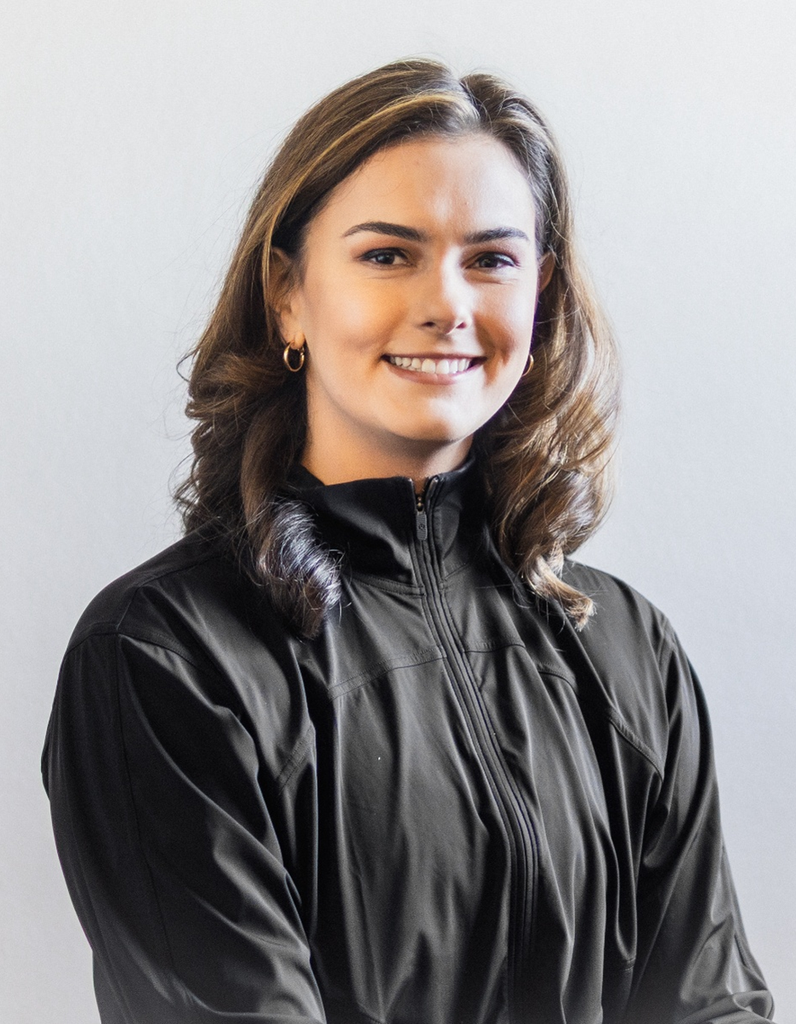
Lianne Lahaie, a Washington state native, has been part of the Irish dance scene since 2010. Starting dance at the age of 13, Lianne quickly found her passion through the intricacy of the footwork and the innate connection that Irish dance and music have to one another. She dances competitively with the Tara Academy of Seattle and has had the opportunity to travel all over the United States, Canada, and Europe for regional, national, and international level competitions. In 2023, Lianne successfully auditioned and became a permanent cast member of Seattle Irish Dance Company, a professional Irish dance performance company that entertains in shows all over the Pacific Northwest. Lianne is honored to be collaborating with the Bellevue Chamber Chorus on this dance concert and bringing her love of Irish dance culture to the community of the greater Seattle and Bellevue area.
Raúl Bucio, dancer
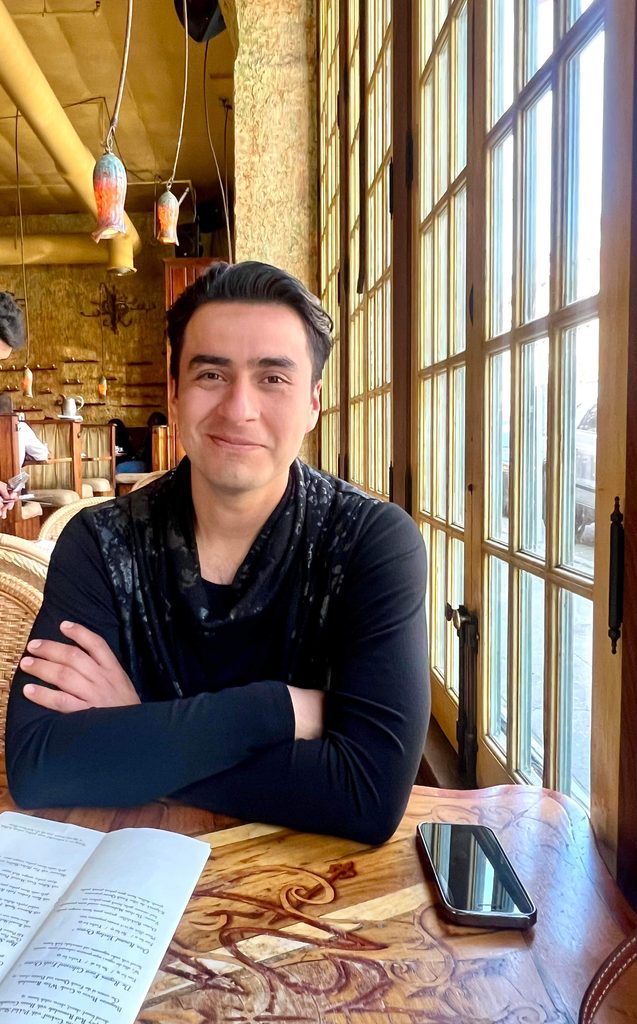
Raúl Bucio has been dancing for 15 years. He is a competitive ballroom dancer specializing in International Standard, Latin American and American Smooth categories. In addition to ballroom dancing he is a salsa and bachata dancer and performer. He started dancing and performing with the USA Dance formation team for 8 years. He has been dancing competitively for the past nine years consistently making the finals in competitions through the US. Last year he placed 4th place out of 100+ couples in the American Smooth category. He is currently working on getting his Professional Smooth Dance Vision Certification to be able to teach.
Emily Suevsky, dancer

Emily Suevsky is a student at the University of WA and a competitive ballroom dancer. She started dancing when she was 3 years old. She trained in ballet for 10 years, performed in shows, and competed in world wide competitions before transitioning into ballroom. She has been competing for the past six years in Ballroom, Smooth and Latin styles. In her last US National competition she placed 4th in United States Championship for Smooth and earned a Top 8 placement in Latin against 100+ couples. She is excited to continue sharing her passion for dance through performances and competitions.
Dean Paton, dancer
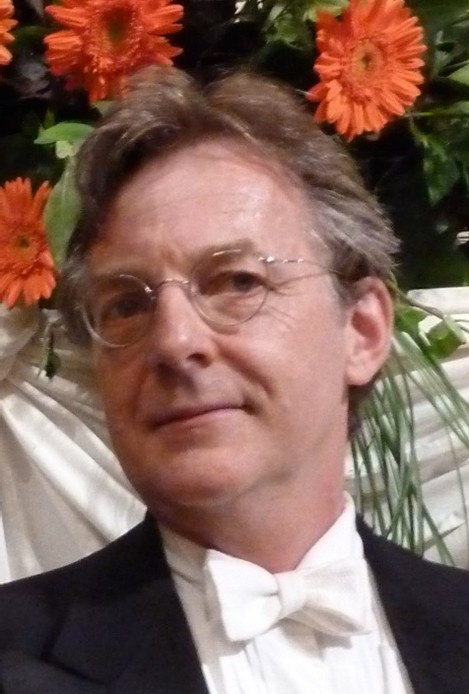
Former shortstop Dean Paton abandoned the baseball diamond for the dance hall in 1994 and fell so hopelessly in love with Waltz that he founded the Joy Street Orchestra, an award-winning ensemble committed to the art of playing music for dancers. Dean loves the traveling dances, and his passion is teaching in the social ballroom milieu (as opposed to the competition ballroom world you see on ‘Dancing with The Stars’): Viennese Waltz, Foxtrot, East Coast Swing, Cowboy Two Step, Blues, Broadway One Step. Since 2008 he has taught at the Century ballroom, now the Reverie Ballroom on Seattle’s Capitol Hill, a Mecca for social partner dance, where he helps produce a 4th Sunday live-music dance called the Waltz Café as well as an outlandish Masquerade Ball each January.
Julie Cauthorn, dancer
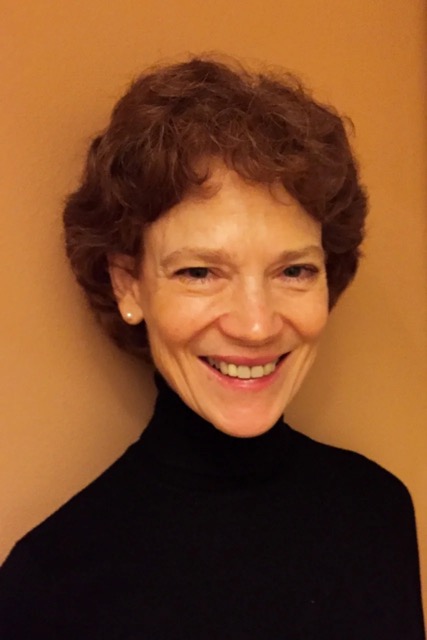
Julie Cauthorn has been dancing and teaching for decades. As a physical therapist, dance therapist, tai chi instructor, and an experienced performer, she is passionate about sharing the joy of movement with people of all ages.
Chuck DeMonnin, trumpet
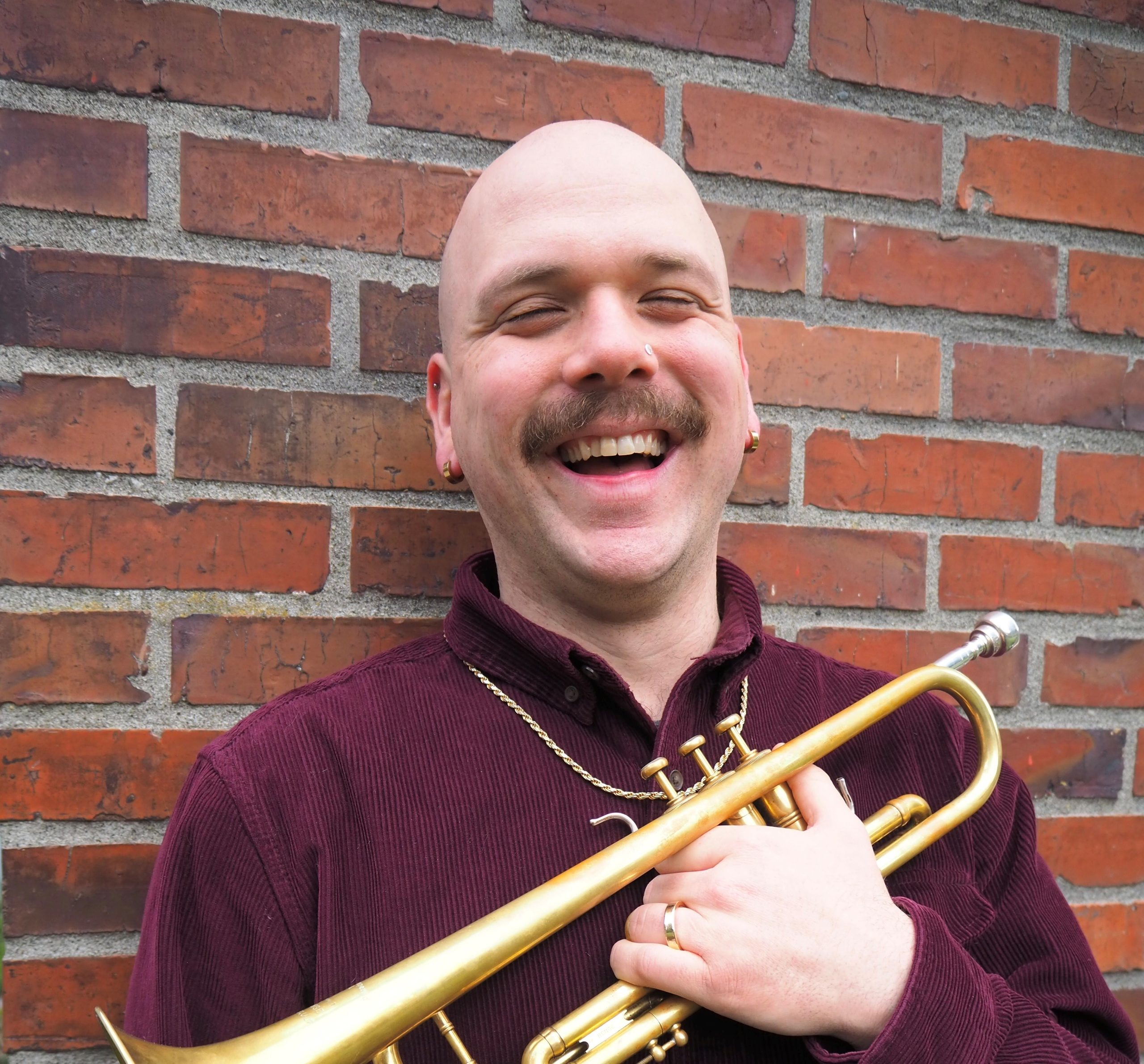
Chuck DeMonnin is a multi-instrumentalist and educator, performing on trumpet, trombone, euphonium, tuba and keyboard all around the Seattle area. Chuck performs all types of music ranging from classical, funk, traditional brass bands and gospel music. When not playing music, Chuck teaches music to all ages and all subjects. Chuck has coached extensively at successful Seattle music programs like Ballard and Ingraham High School as well as Eaglestaff, Whitman, and Jane Adams Middle School. Chuck has earned several awards in chamber groups, winning the NWRTEC chamber music competition in 2015 and 2017, and placing 3rd internationally with his chamber group at ITEC in 2016. Chuck earned his music education degree from University of Oregon, and his Masters in Curriculum and Instruction from Eastern Washington University.
Lamar Lofton, string bass
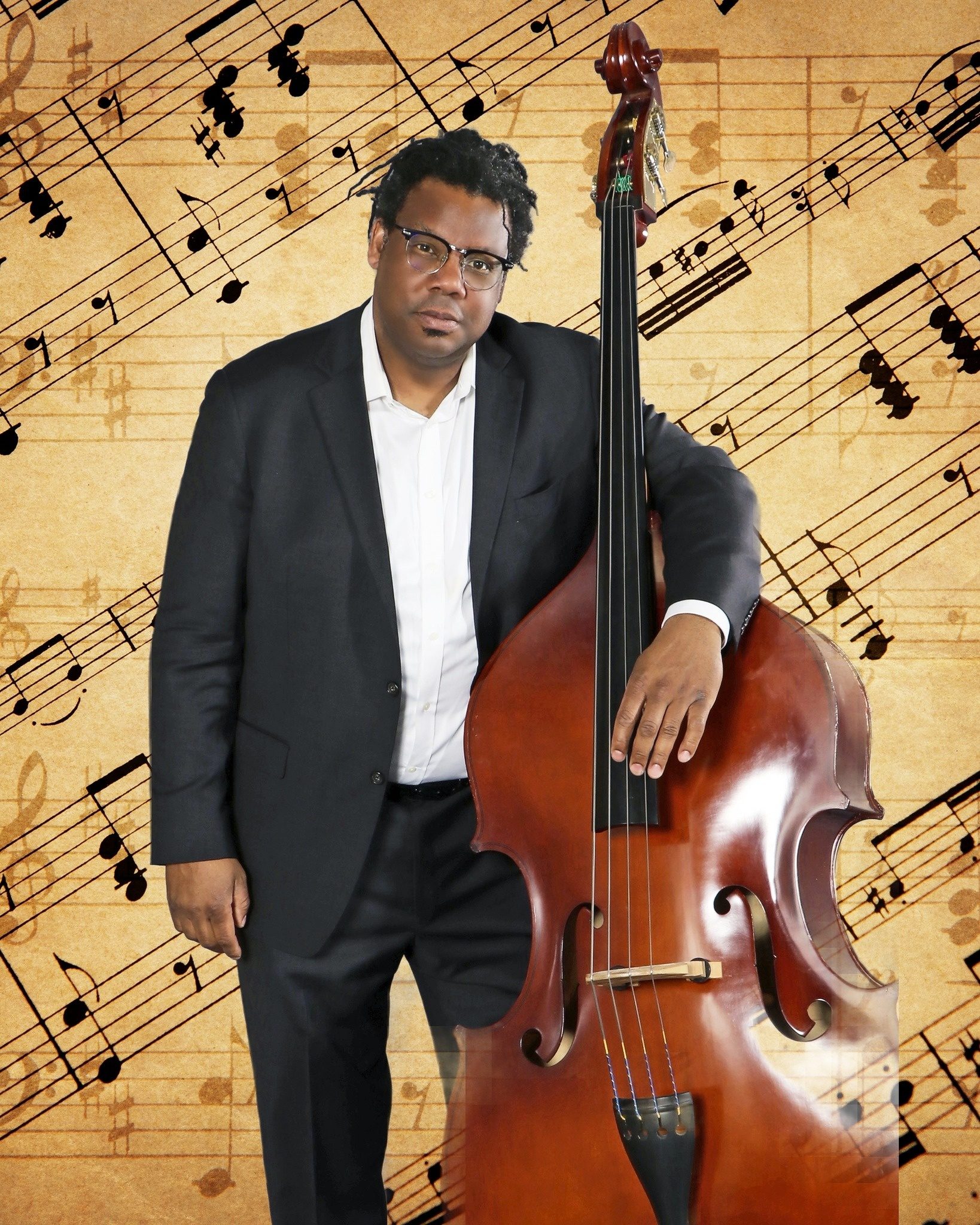
Bassist Lamar Lofton hails from Seattle. After attending prestigious Garfield High School he attended Cornish College of the Arts where he received his BFA in Music Performance. Since then he has performed locally and around the world in various musical settings from musical theatre to international Reggae and Jazz artists including Clinton Fearon, Eek-a-Mouse, John Hicks, Ernestine Anderson, The Abbysinians, Julian Priester, Hadley Caliman, Reneé Strange, Cedric Brooks and many others. Adept at both string and electric bass, his versatility in instruments and musical settings continue to keep him in demand as accompanist and a leader.
Greg Sinibaldi, saxophone
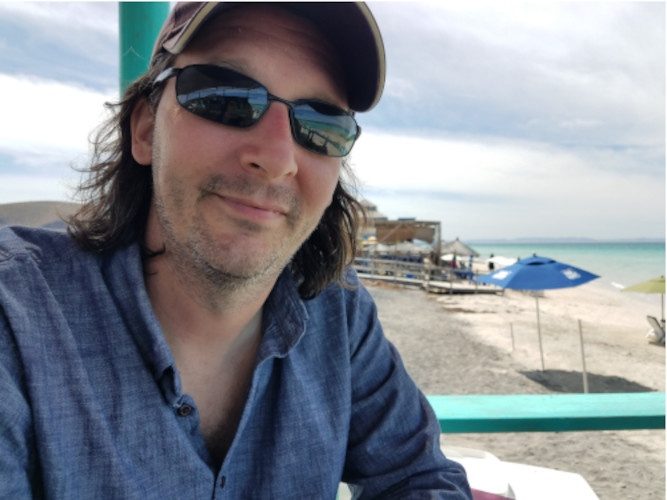
Greg Sinibaldi is a Seattle-based multidisciplinary artist whose work connects sound and image through improvisation. As both a saxophonist/composer and mixed media visual artist, he explores identity, perception, and emotional depth through intuition, spontaneity, and experimentation. Known for his adventurous musical approach, Greg has performed and recorded with artists including Bill Frisell, Wayne Horvitz, Cuong Vu, and Gunther Schuller. His projects span acoustic jazz, experimental electronics, and multimedia performance, often centered around his custom NuRAD wind synthesizer. Alongside music, Greg has developed a visual art practice over the past two decades using painting, collage, and found materials to create layered, intuitive self-portraits. His work has recently been exhibited in New York and Seattle. Across both disciplines, improvisation remains central to his process—an open-ended search for connection, discovery, and personal truth.
Alina To, violin
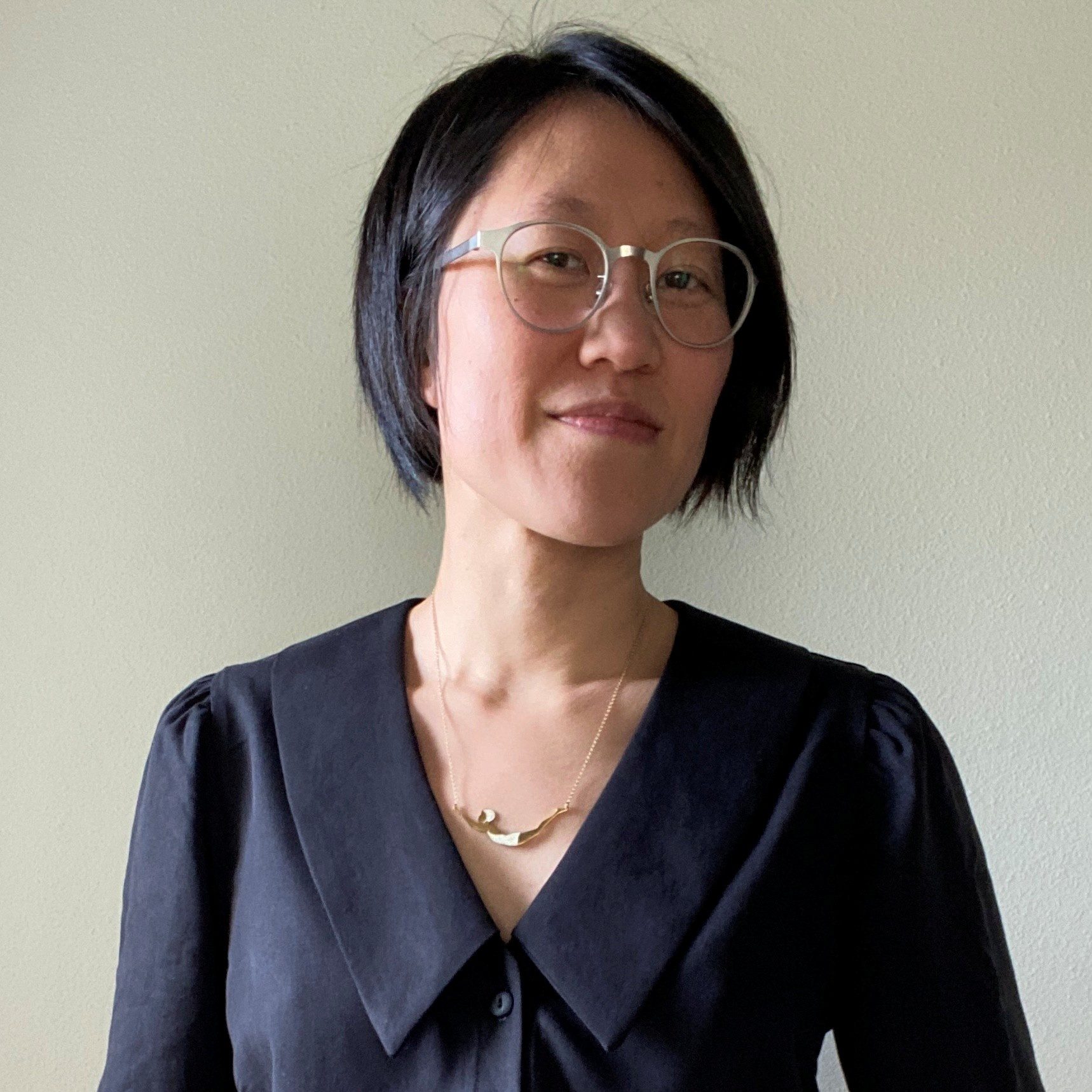
Alina To is a Seattle-based violinist with over 25 years of experience in live performance and studio recording. As a classically trained musician, she has expanded her musical expertise and repertoire across jazz and improvisation, rock, pop, hip hop, experimental, and folk. She is well-versed across multiple genres, and performs and records both acoustically and amplified (with a dialed-in pedalboard). She has performed and recorded with artists and groups including Pacific Northwest Ballet, Perfume Genius, Fleet Foxes, Macklemore, Wayne Horvitz, Jherek Bischoff, Judy Collins, Scrape, Symphony Tacoma, Puget Sound Strings, Seattle Music Inc., Andrew Joslyn, and Tomo Nakayama. As an accomplished recording artist, she has played on a wide range of musical albums as well as video game and motion picture soundtracks. Currently, she is an active member of the Passenger String Quartet and Auburn Symphony Orchestra.
Nathan Vetter, trombone
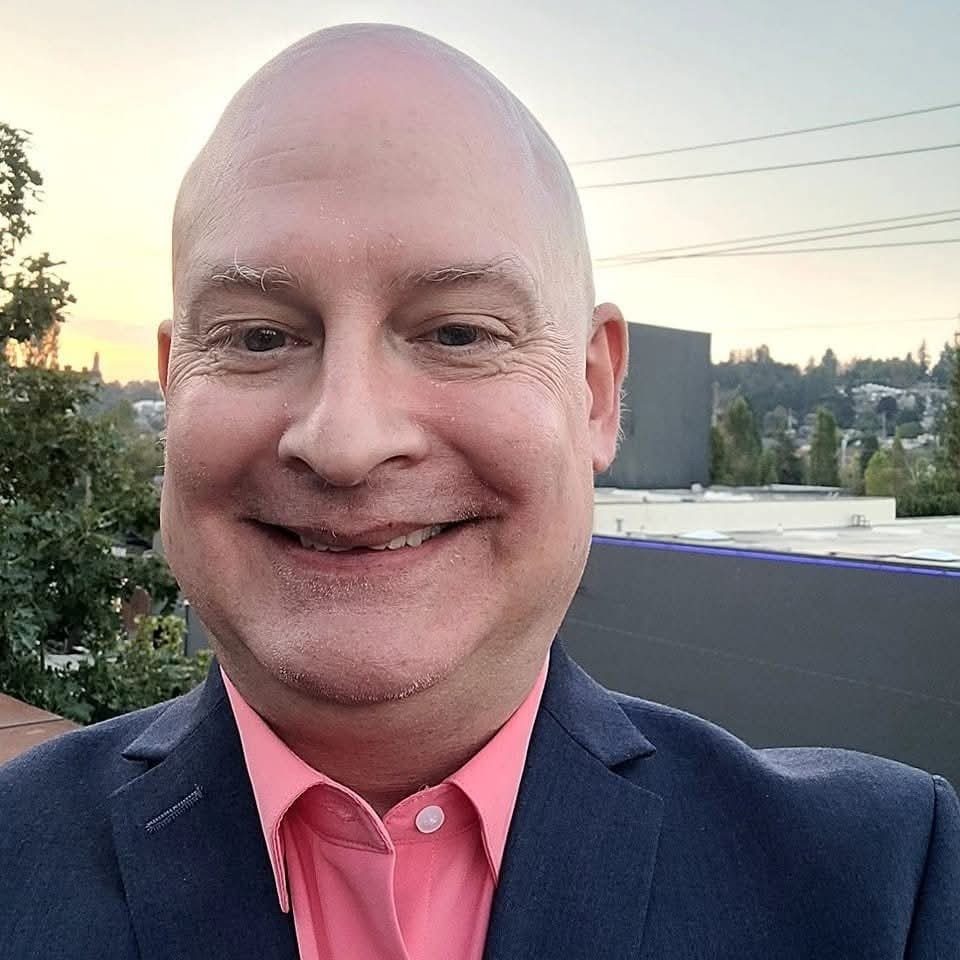
Nathan Vetter started off like most people in the public school music program. Upon graduating from high school, he began a quest to find the perfect mentors and environments to hone his craft. This took him to the University of Northern Iowa, where he studied jazz under Bob Washut. The opportunity to audition for William Paterson’s famed Jazz Studies department, established by Rufus Reid and Thad Jones, came up, and he took the leap to New Jersey. There he studied with some of New York’s finest jazz musicians, and graduated in 1997. Nathan moved to the Pacific Northwest in 2000 to begin his freelancing career. After securing positions in a variety of local bands and establishing a private teaching studio, he started graduate studies at the University of Washington. There he studied classical trombone and worked as a teaching assistant for the Jazz Studies department. He received his MM in Trombone Performance in 2006.
Currently, Nathan Vetter runs a successful private teaching studio, works as a studio musician, is a clinician for the SRJO Jazz Scholars Program and Bellevue Public School District, and performs regularly in a variety of ensembles spanning from classical to Cuban. He is proud to be the kind of mentor he once sought out as a young player.
John Wells, trumpet
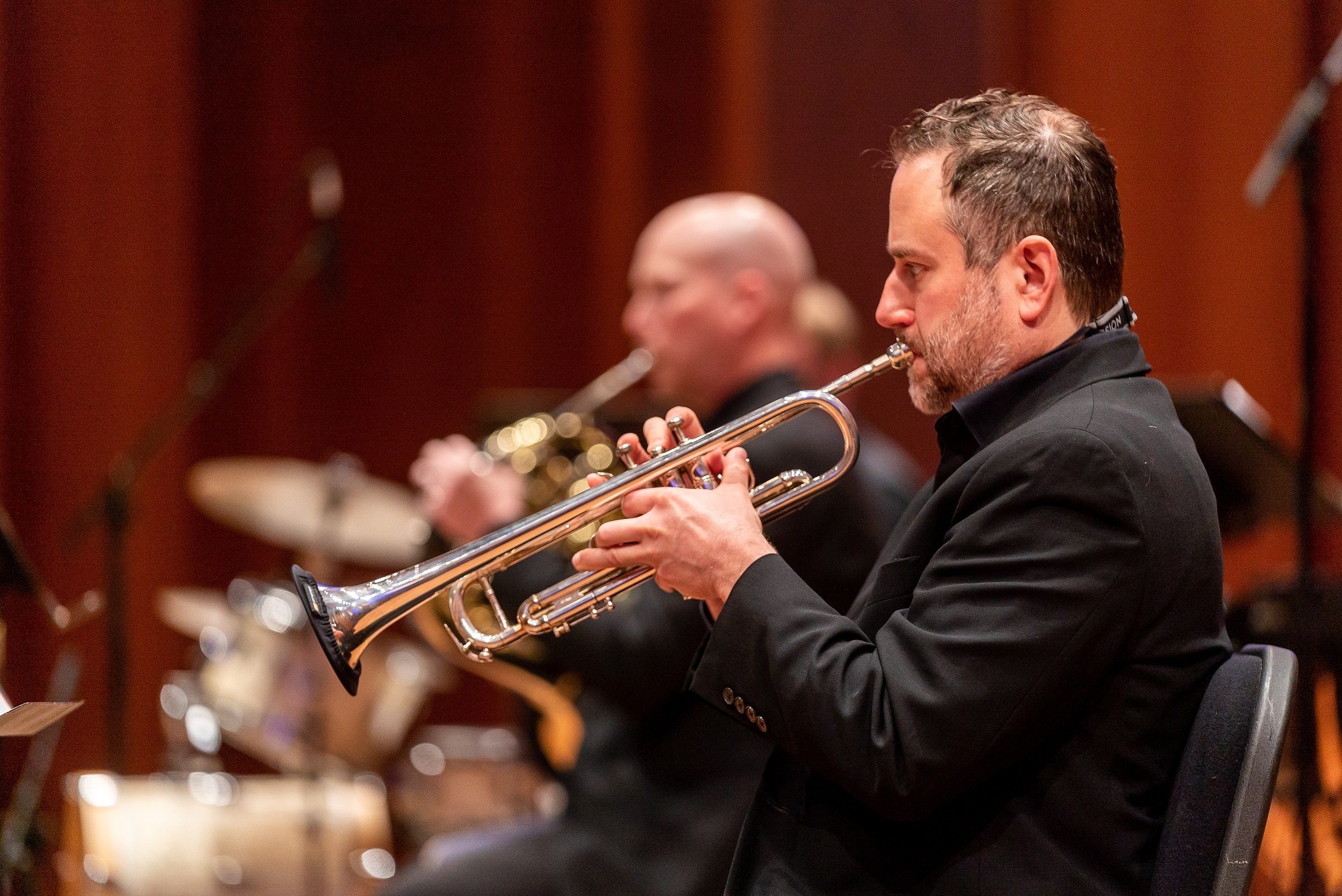
John Wells is a versatile, internationally traveled freelance trumpet player currently serving as Principal Trumpet of the Olympia Symphony Orchestra. A prominent musician in the Pacific Northwest, he has performed with the Seattle Rock Orchestra, Tacoma Opera, Bellevue Opera, and numerous regional symphonies. John is a member of the Oly Chamber Brass and frequently appears as a soloist and theater musician across Washington. Beyond the concert hall, he serves as the first-call bugler at Emerald Downs and maintains an active private teaching studio, offering both in-person and virtual trumpet lessons from Olympia, Washington.
Denali Williams, percussion
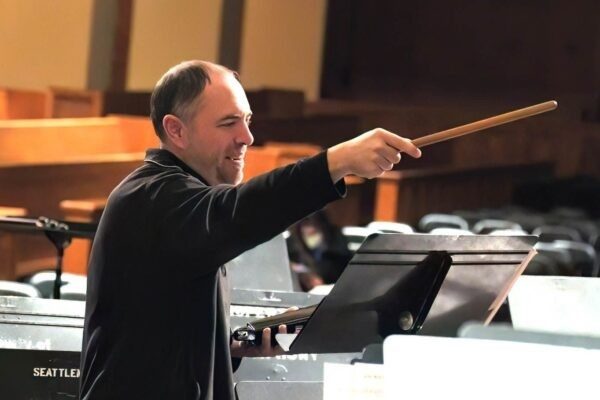
Denali Williams is a versatile performing & teaching percussionist in his fourth decade of music-making. His work involves a wide range of musical settings including orchestras, rhythm sections, vocal groups, and various other ensembles. As an orchestral percussionist, he’s currently a member of Symphony Tacoma, Lake Washington Symphony, and Federal Way Symphony. He performs regularly with Northwest Sinfonietta, Pacific Northwest Ballet Orchestra and Auburn Symphony. As a drummer and auxiliary percussionist, he performs and records in groups encompassing many different musical styles. Denali has toured throughout the world with bands including Lee Oskar & Friends, Thomas Mapfumo, and Cracker Factory.